Google officially retired its Gemini CLI developer tool on June 18, 2026, directing consumer and Google AI Pro and Ultra users to its new Antigravity CLI platform. The transition marks a significant shift in Google’s AI developer tooling strategy, moving from the open-source Gemini CLI — which had amassed over 100,000 GitHub stars — to a unified, closed-source agentic platform built for the next generation of AI-assisted software development. For the millions of developers who built automated workflows and CI/CD pipelines around Gemini CLI, today’s sunset is both an end and a beginning.
What Was Announced
On May 19, 2026, Google product managers Dmitry Lyalin and Taylor Mullen published an announcement on the Google Developers Blog confirming that Gemini CLI and Gemini Code Assist IDE extensions would cease serving requests for Google AI Pro and Ultra users on June 18, 2026. The post acknowledged the product’s remarkable open-source run, noting that Gemini CLI had achieved “over 100,000 GitHub stars, 6,000 merged pull requests, and hundreds of contributors” since its launch.
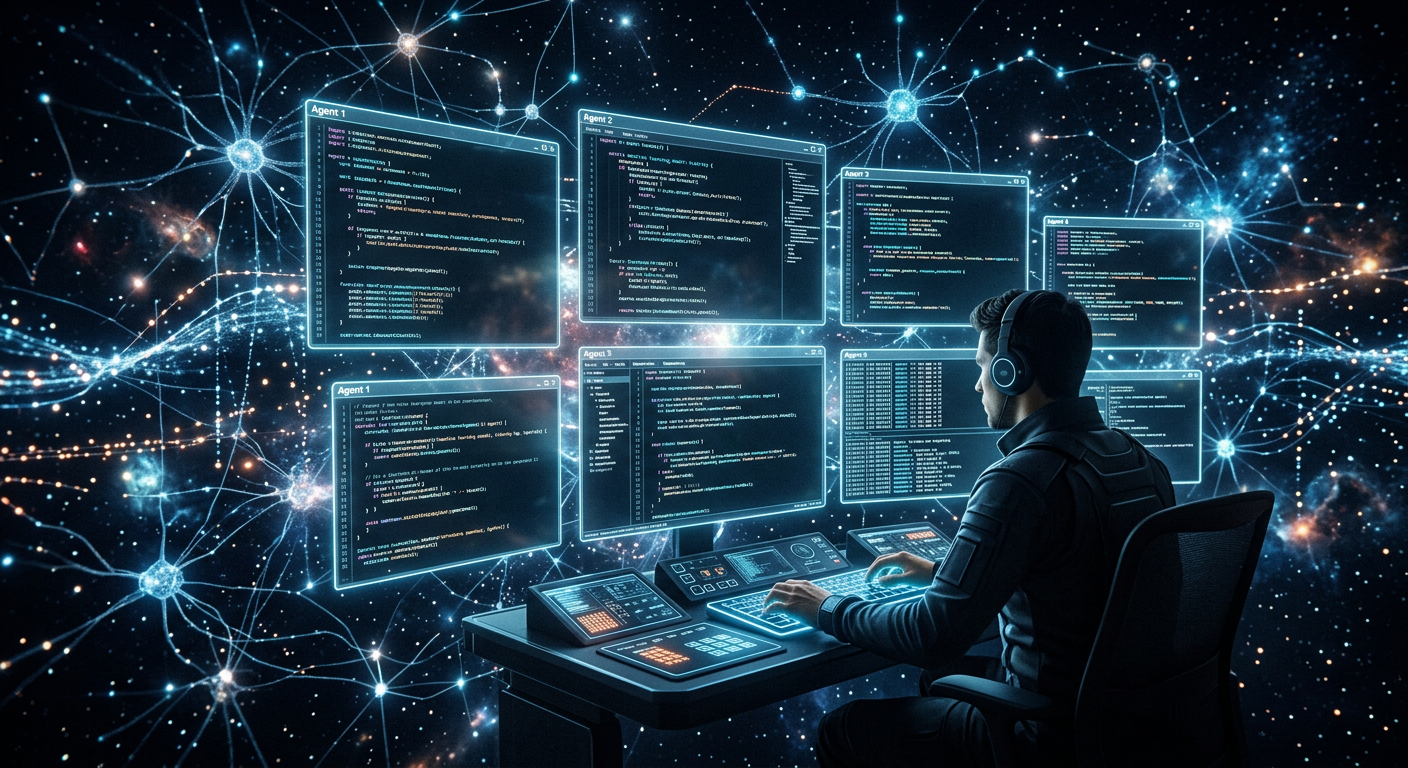
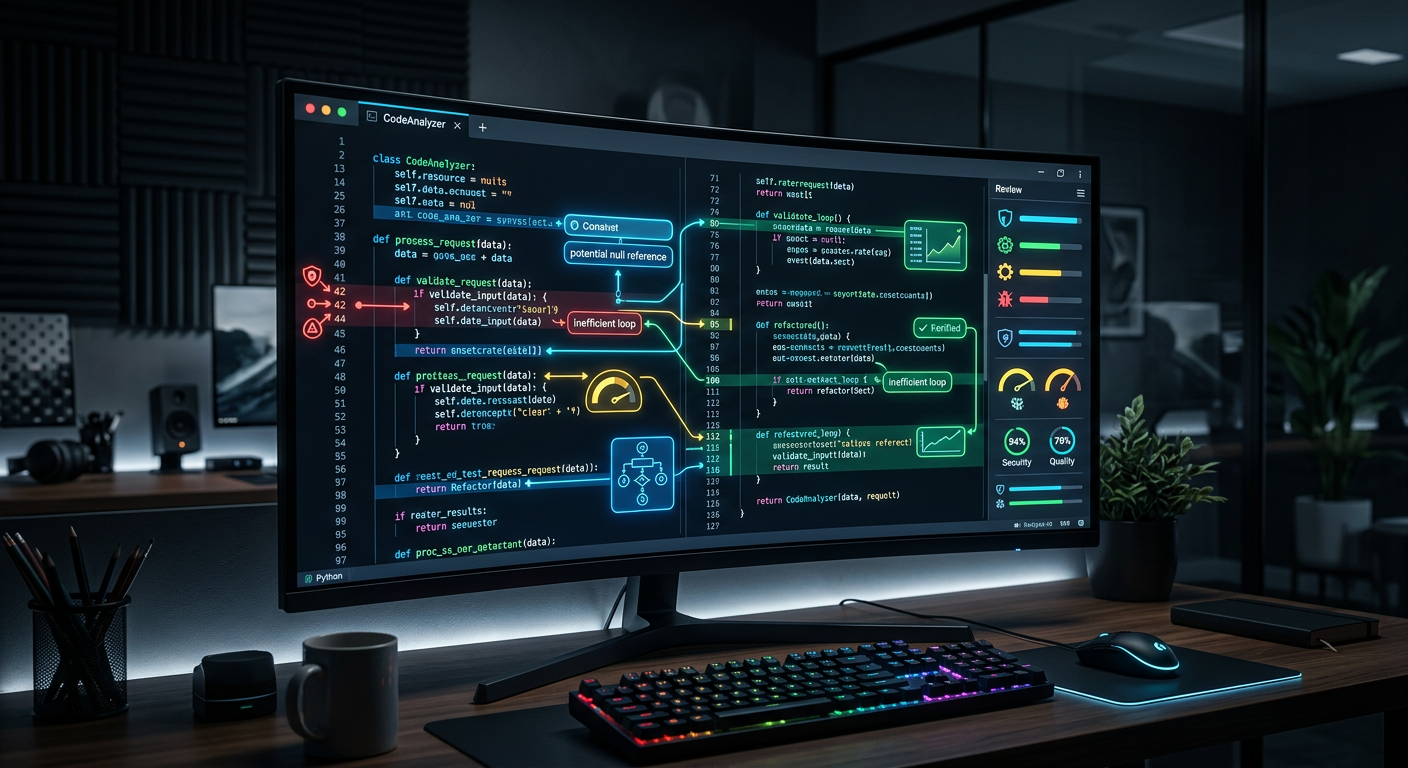
The replacement platform is Antigravity CLI, invoked via the agy binary, which is built in Go and designed around an asynchronous, agent-first architecture. It shares the same underlying harness as the Antigravity 2.0 desktop application, creating a unified developer experience across terminal and graphical environments. Google is positioning Antigravity as its premier agentic development platform, consolidating developer-facing AI tools under a single brand.
Enterprise customers with paid Gemini Code Assist Standard or Enterprise licenses, or those accessing Gemini models via paid API keys, retain uninterrupted access to the legacy Gemini CLI. Google also confirmed that GitHub organization users of Gemini Code Assist for GitHub are unaffected by today’s consumer-side retirement.
Consumer users and Google AI Pro and Ultra subscribers who have not yet migrated lost access to Gemini CLI authentication as of today, June 18, 2026. Migration documentation is available immediately through Google’s Antigravity developer portal, with video walkthroughs scheduled for release in the coming weeks.
Technical Details
Antigravity CLI introduces several meaningful technical improvements over Gemini CLI. The most fundamental change is the shift to asynchronous agent orchestration. Where Gemini CLI blocked the terminal during complex or long-running tasks, Antigravity CLI can coordinate multiple background agents simultaneously. This allows developers to initiate large-scale code refactors, multi-step research tasks, or extended automated workflows without locking up their primary terminal session.
The binary itself is written in Go, replacing the TypeScript foundation of the original Gemini CLI. This results in faster startup times and more responsive execution across terminal environments. All of the core developer-facing capabilities from Gemini CLI have been preserved and migrated to the Antigravity platform: Agent Skills carry over without modification, Hooks are fully supported, Subagents continue to function, and Extensions have been renamed Plugins under the new naming convention.
The compute quota model has also been redesigned. Gemini CLI operated on a 1,000 requests-per-day cap, a structure suited to brief, discrete interactions. Antigravity CLI shifts to a weekly compute-based quota, better accommodating the more resource-intensive, long-running agentic tasks that the new async architecture is designed to handle. Developers with complex automated pipelines should review the new quota documentation to assess any impact on their workflows.
Industry Impact and Reactions
Google’s transition from Gemini CLI to Antigravity reflects a broader strategic pivot happening across the AI tooling industry. The move from conversational, request-response AI interfaces toward persistent, autonomous agentic platforms is accelerating at all major AI companies. Anthropic’s Claude Code and OpenAI’s Codex have similarly evolved into full development agents capable of controlling compute environments, managing files, and executing multi-step automated workflows.
For Google specifically, the consolidation under the Antigravity brand is strategically significant. By unifying the terminal CLI and the desktop application under a shared agent harness, Google is positioning itself to compete directly with integrated agentic development environments rather than remaining a provider of standalone AI tools. This mirrors Anthropic’s approach with Claude Code, which runs the same agent runtime across CLI, desktop, and IDE extension contexts.
The forced migration has drawn mixed reactions from the developer community. Performance improvements and the new async capabilities have been broadly welcomed, but the closure of Gemini CLI’s open-source repository in favor of a closed-source Go binary has drawn criticism. The Gemini CLI’s 6,000 merged pull requests represented a significant community investment, and the shift to a proprietary platform means that community contribution pathway closes with today’s retirement.
What Comes Next
Google has confirmed that all future model improvements and new agentic features will be delivered exclusively through the Antigravity platform. Enterprise customers currently on legacy Gemini CLI access will face the same migration choice over time, as the Antigravity ecosystem becomes the primary vehicle for accessing Google’s frontier AI models in developer contexts. For most developers, the practical timeline for migration is now: consumer accounts have already lost access, and Google’s roadmap signals Antigravity as the sole long-term path.
Migration documentation is live as of today, with full video walkthroughs releasing in the coming weeks to guide developers through the transition from Gemini CLI workflows to their Antigravity equivalents. Developers are advised to audit any existing CI/CD pipelines, scripts, or automations that reference the gemini command and plan their migration to the agy binary accordingly before any dependent systems experience disruption.
Conclusion
The Gemini CLI sunset on June 18, 2026 closes the book on one of the most successful open-source AI developer tools of the past two years. With Antigravity CLI now at the center of Google’s developer AI strategy, the company is making a clear bet on asynchronous, agent-first tooling as the foundation of modern software development workflows. The transition reflects an industry-wide shift: the era of interactive chat-style AI assistants is giving way to persistent, autonomous agentic platforms that can operate independently across complex, multi-step tasks. Developers who migrate quickly will be best positioned to take advantage of the capabilities that Antigravity’s unified architecture makes possible.
Stay updated on the latest AI news at Evolve Digital.